Modeling the Tumor Immune System, Not Just Scoring It

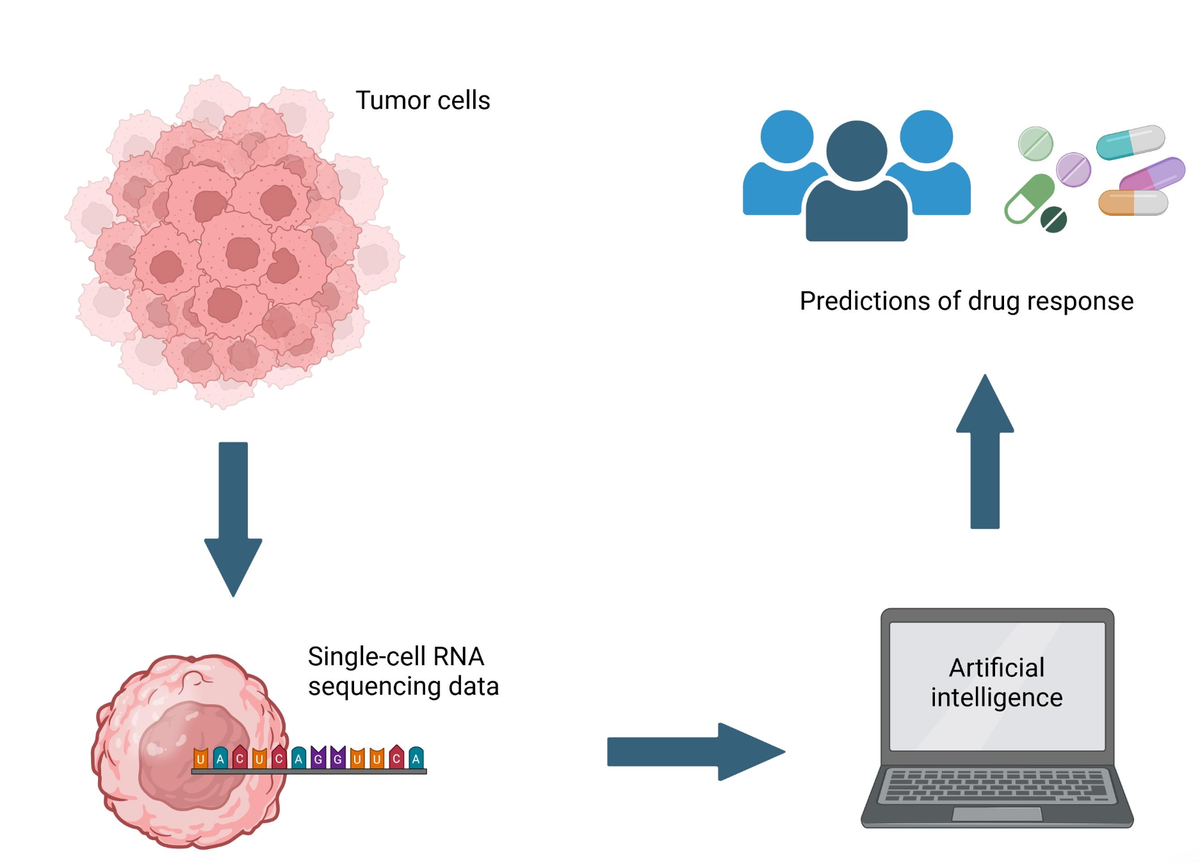
A technically interesting AI and biology paper published on April 15, 2026 came out in Nature Communications and focuses on one of the hardest practical problems in oncology: predicting who will actually benefit from immunotherapy. The paper, “Decoding immunotherapy response through computational modeling,” frames the field around four converging paradigms, namely classical machine learning, deep learning, graph and network modeling, and mechanistic systems biology. That matters because immunotherapy response is not controlled by one signal. It emerges from tumor genomics, immune context, tissue architecture, and treatment dynamics all at once.
What makes this especially interesting from a technical perspective is the shift in framing. The review explicitly describes an evolution from correlational features toward representation learning, relational inference, and causal simulation of tumor immune dynamics. That is a much stronger direction than building one more classifier on a fixed feature table. It suggests that the field is trying to move from pattern recognition toward models that can represent how the system behaves.
This matters because immunotherapy is one of the places where shortcut modeling breaks down quickly. A patient can have a biomarker that looks promising on paper and still fail to respond clinically. The paper argues that multi modal fusion is becoming central, with computational tools integrating multi omics, imaging, and machine learning while also pushing toward more interpretable and clinically deployable systems. In practice, that means AI is being asked to connect heterogeneous biological layers instead of optimizing a single isolated prediction task.
The broader signal is that AI in biology is becoming more serious about mechanism. A lot of earlier biomedical AI work focused on extracting predictive value from whatever data were easiest to collect. Work like this points toward something more ambitious: models that try to capture the interaction structure of tumors and immune systems well enough to support stratification and therapy planning. If that direction holds, some of the most useful AI systems in cancer biology will be the ones that model response as a dynamic biological process rather than a static label.
Sources
https://www.nature.com/articles/s41467-026-71364-5
https://doi.org/10.1038/s41467-026-71364-5